
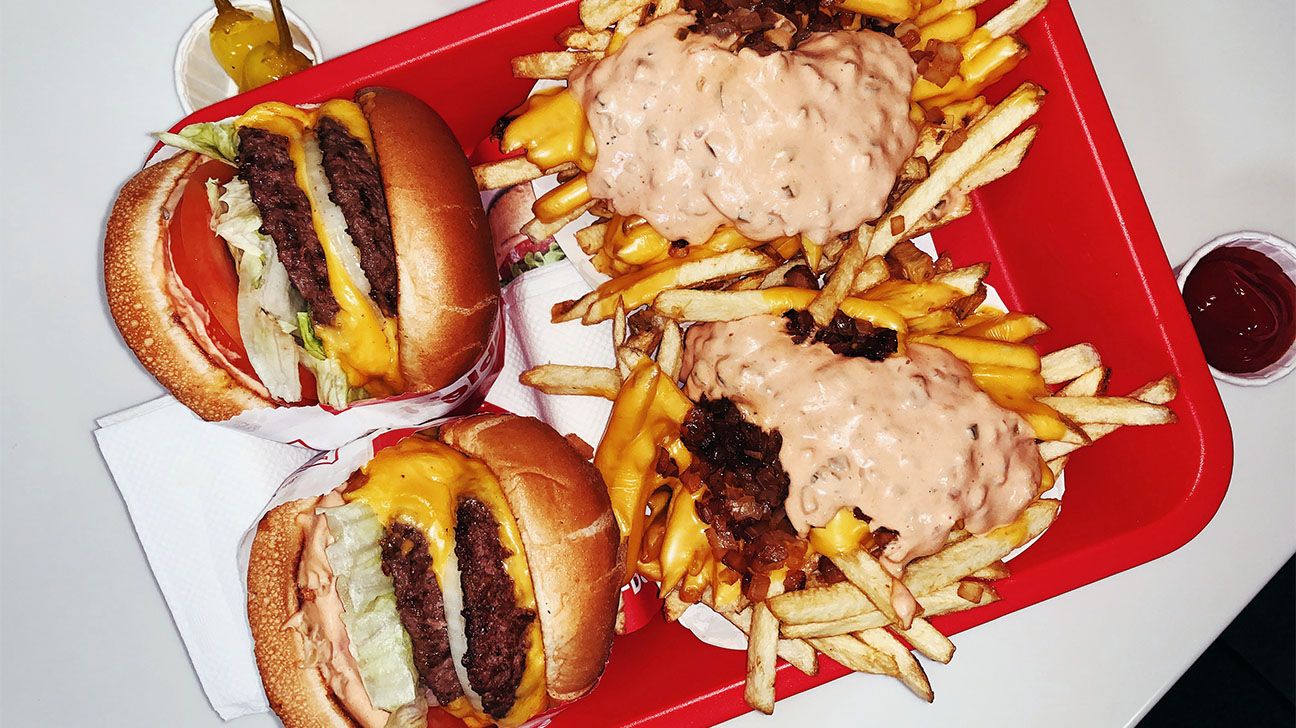
- One recent study found that highly engineered consumables are potentially as addictive as cigarettes.
- Scientists observed that these foods are engineered to heighten reward and accelerate the delivery of rewarding ingredients.
- The “addictive” property of these foods suggests they fuel uncontrollable eating and disrupt natural hunger cues.
- The review authors propose that ultraprocessed foods could be governed by controls comparable to those for cigarettes.
Right now, there is not a agreed-upon description of UPFs. Certain experts describe them as foods that contain components you would not typically use in a domestic pantry, like emulsifiers and artificial substances.
Many professionals use the NOVA food categorization to identify ultraprocessed foods. This describes foods that contain “combinations of ingredients, mostly of manufacturing origin, often made by a series of factory processes and processes.”
A fresh review published in The Millbank Quarterly proposed that UPFs could be as addictive as tobacco products.
“I agree with this research, as UPFs are intentionally formulated to be extremely attractive to the majority of people,” commented a bariatric surgeon independent from the study.
Research from 2023 suggests that over 73% of the food supply in the United States are highly processed.
“Cigarettes and ultraprocessed foods are not simply whole foods but carefully designed consumable products created purposely to increase physical and mental reinforcement and habitual overuse,” wrote the review’s research team.
Are Ultraprocessed Foods Addictive?
The paper integrated findings from substance use, public health history, and nutrition in order to identify textural and compositional characteristics that boost the rewarding nature of both tobacco and ultraprocessed foods.
“Not everyone is ‘hooked’ to these foods, but for a sizable group, they elicit typical addiction-like patterns: intense desires, inability to stop, and continued use despite negative health effects,” explained a heart health nutrition expert.
“These foods are intentionally designed with processed carbohydrates, extra oils, salt, and flavor enhancers to optimize reward and ongoing intake, and the food sector uses aggressive marketing tactics, particularly aimed at young people,” she added.
The researchers examined several important factors:
- rapid absorption
- hedonic engineering, or designing foods to be irresistibly good
- dose optimization
- widespread availability
- deceptive reformulation, or “wellness branding”
It was observed that, similar to tobacco, UPFs are carefully calibrated to deliver the optimal amount of sugar.
“Processed carbs trigger the feel-good chemical production through the a key neural pathway, while fats do so through intestinal lipid sensing,” the authors noted.
“… UPFs with significant amounts of refined carbohydrates and added fats are some of the most potently rewarding foods in the modern diet. Importantly this processed carb and fat combination is rarely found in nature.”
How these foods rapidly introduce “pleasure-inducing” chemicals to the brain renders them potentially addictive, similarly to cigarettes.
The review explained that while cigarettes are designed to provide the addictive compound quickly, ultraprocessed foods are formulated to rapidly digest and absorb, as they typically have minimal fiber. This allows for the body to process lipids and carbohydrates more quickly.
The researchers also note that ultraprocessed foods provide deliberate intense tastes that dissipate rapidly and textures that dissolve easily. This collectively works to deliver increased pleasure signals and encourages individuals to consume additional amounts.
‘Health Washing’ in Tobacco, UPFs
Based on the analysis, both the cigarette and food industries have historically employed a strategy known as “health washing.”
This is when products are marketed and altered to generate an perception of reduced harm while maintaining the essential of their properties.
Health washing in the cigarette sector became popular in the 1950s with the advent of filter tips on smokes.
These were sold as protective innovations that would trap harmful substances prior to they entered the lungs. Actually, filters offer little significant protection.
However, people often adjusted by taking bigger puffs or increasing consumption, which offset any decrease in harmful intake.
Food manufacturers has taken a comparable approach. It uses labels like “low fat” or “no sugar added” to promote UPFs.
However, these items still contain the same addictive formulations. The problem is that these changes offer a surface-level impression of wellness while the product’s habit-forming nature and health risks persist unchanged.
Ought UPFs Face Controls?
The authors stated at the conclusion of their review that food and tobacco are fundamentally different.
Nevertheless, they cautioned that some UPFs act like engineered products rather than real nourishment. They recommended that health regulations ought to acknowledge this reality.
“Cigarettes offers a cautionary tale, and tobacco control provides a model of hope,” the authors stated.
Due to regulations, smoking levels in the United States have fallen and have “reshaped cultural views of tobacco and eroded trust in the sector.”
“I believe greater education regarding the harmful effects of ultra-processed foods is crucial to reduce public intake and enhance public health. The approaches used to reduce cigarette use have been effective and may be a helpful model for UPFs as well,” said one expert.
“It is not my view UPFs ought to be regulated precisely as cigarettes, but they do warrant more robust, smoking policy-based policies: marketing restrictions, obvious packaging warnings, stricter standards on health claims, and restrictions in schools or hospitals,” added another dietitian.
The authors reminded people that lightly altered and unprocessed foods have supported our well-being for thousands of years.


